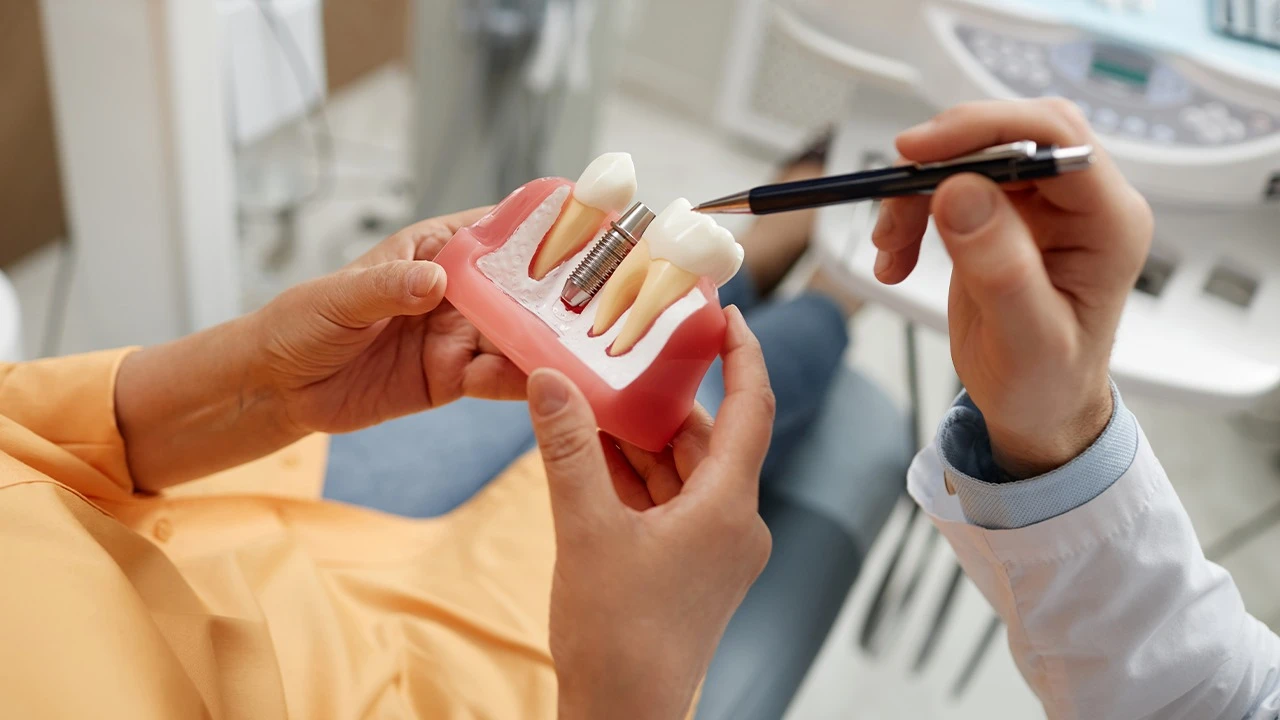
All-on-4 dental implants are a full-arch tooth replacement method that uses four implants to secure one fixed bridge in the upper or lower jaw. The bridge stays in place and restores bite strength, speech comfort, and smile shape with a clear, planned approach that suits many patients.
This guide covers what the treatment means, how “same day teeth” can work, what shapes cost in the UK and Turkey, and why many patients look at Antalya for care.
What Are All-on-4 Dental Implants?
All-on-4 is a full-arch implant method. One upper or lower arch gets replaced with a fixed bridge. The bridge sits on four implants.
Most plans place two implants in the front area. The two back implants often go in at an angle. This angle lets the dentist use strong bone in the jaw. It also increases support for the bridge.
During visits, many people ask about all-on-6 vs all-on-4. Both can work well. The best match depends on jaw bone, bite force, and the bridge design.
How Four Implants Hold a Full Arch
Think of the implants as the base points. The bridge connects to them, often with a screw-fit design. That link creates a strong frame under the teeth.
The result feels steady during chewing and talking. Many people feel a big shift in comfort when they move from loose dentures to a fixed bridge.
A key term here is fixed full arch bridge. It means the teeth stay in place. Daily life can feel more normal again.
Why the Back Implants Go in at an Angle
The back part of the jaw often has less bone over time. Angled implants can reach better bone. They can also widen the support area under the bridge.
This design often reduces the need for big bone steps in suitable cases. Planning stays based on scans, bite checks, and bone level.
Who Suits All-on-4?
Many adults fit this option. A full exam decides the best plan. That exam looks at bone, gums, bite, and health, as some patients have less bone in the back jaw.
Common patient profiles
- Many missing teeth in one jaw
- Teeth that keep failing over time
- Dentures that slip or rub sore spots
- A clear wish for fixed teeth instead of a removable set
Health factors that support strong results
Strong results link to steady home care and clean gums. A clear routine, regular reviews, and smart habits all raise long-term success.

Why Patients Choose All-on-4
People often choose this method for comfort, speed, and a steady feel.
1) Fixed teeth feel secure
A fixed bridge stays in place. Many patients feel more at ease in meals, work chats, and social time.
2) A direct treatment path
Four implants per arch can create a clear plan. The steps feel more direct for many people, while still giving strong support.
3) Fewer add-on bone steps for many cases
The angled back implants often lower the need for extra bone work. That makes the care path feel simpler for many patients.
4) A natural look
A well-made bridge supports the lips and face shape. Speech can feel steadier too. The final look depends on the design and the chosen materials.
All-on-4 Cost for UK Patients: UK vs Turkey
Cost changes from case to case. Many people search ‘all on 4 dental implants cost UK’ since prices vary by clinic, city, and bridge type.
UK price range in real terms
In the UK, full-arch work often lands in the five-figure range per arch. The total can rise when the plan includes extractions, deep bite changes, or high-end bridge work.
Why many patients compare Turkey
Many people also search ‘all on 4 dental implants Turkey’ and ‘dental implants Turkey’ because Turkey has strong dental hubs and clear pricing for many plans.
Patients who look at dental implants in Turkey often compare what the quote includes, the implant brand, the lab quality, and the follow-up plan.
What Changes the Total Price?
The “four implants” line alone never tells the full story. Total cost depends on key parts.
Implant brand and planning level
Implant systems vary. Digital planning can also change cost. Many clinics use CBCT scans to map bone and nerve paths. That data shapes angles, depth, and bridge fit.
Bridge type:
- Temp: Many patients start with a temporary fixed bridge. It supports function during healing.
- Final: The final bridge often uses higher-end materials, such as a zirconia bridge or a porcelain bridge.
These choices affect look, strength, and long-term wear.
Extractions and shaping
Some cases include extractions and bone shaping. Gum shaping may also be part of the plan for clean access and a neat smile line.
Comfort options
Some clinics include sedation choices and set medicine plans. These can change the total, along with the full care setup.
Step-by-Step: What the Process Looks Like
Clear steps reduce stress, mainly for travel cases.
1) Early review and plan
Many clinics support online prep first. Photos and past scans guide the first chat. The in-clinic scan then locks in the final plan.
2) In-clinic scan and checks
On arrival, the team runs an exam, scan, and bite review. Digital planning then maps implant spots for stable support.
3) Surgery day and temp teeth
Surgery places the implants. In many cases, a temp bridge attaches soon after. People often call this same day teeth.
4) Healing and bond phase
Over the next few months, the implants bond with bone. Patients follow a soft food plan and a clear cleaning routine. The clinic guides tools that suit bridges, such as brushes made for under-bridge areas.
5) Final bridge fit
After healing, the final bridge gets made for bite balance and smile detail. This stage often delivers the best finish in look and feel.
Recovery and Aftercare: A Simple Timeline
Healing often feels easier when the stages feel clear.
First 72 hours
Swelling and tightness can show up. Rest, soft foods, and the clinic’s care plan support comfort.
Week 1 to week 2
Gums settle more. Many patients adjust to the feel of the temp bridge. Cleaning skills improve fast during this stage.
Month 1 to month 6
Bone bonding moves forward. Reviews guide bite and bridge checks, leading toward the final bridge stage.
Risks and How Clinics Manage Them
Every implant plan carries risk. Strong clinics lower risk with scans, sterile steps, and clear follow-up.
Inflamed gums around implants
Clean access matters. A well-designed bridge leaves space for brush tools. Routine reviews support long-term gum health.
Early implant stability
On surgery day, the team checks the implant grip in bone. That number guides the loading plan. Strong grip supports early temp teeth in many cases.
Bridge care over time
Bridges may need bite tweaks or screw checks. A clear aftercare plan sets the right view of long-term upkeep.
Other Options Some Patients Consider
All-on-4 works well for many people. Some cases fit other paths better.
All-on-6
Six implants can raise support in high bite force cases. It can suit some bone shapes and bite types.
Removable implant dentures
Some patients prefer a clip-on set. It stays more stable than classic dentures while staying easy to remove for cleaning.
Graft-led implant plans
Some cases suit added bone and a wider implant spread. The scan and bite plan guide that choice.
Why Antalya Draws Attention From UK Patients
Many people searching for a dental clinic in Turkey also search “dental clinic Antalya” since Antalya has a strong dental travel setup. People also type "dental implants in Antalya" when they want a city-based comparison list, and many search "Turkey dentist" and “Turkey dental packages” during clinic shortlisting.
Broader searches like "Turkey dental" and "dental clinic Turkey" often show up early in the research stage.
Patients who compare full mouth dental implants turkey price often focus on clear written plans, clear material lists, scan standards, and follow-up steps.