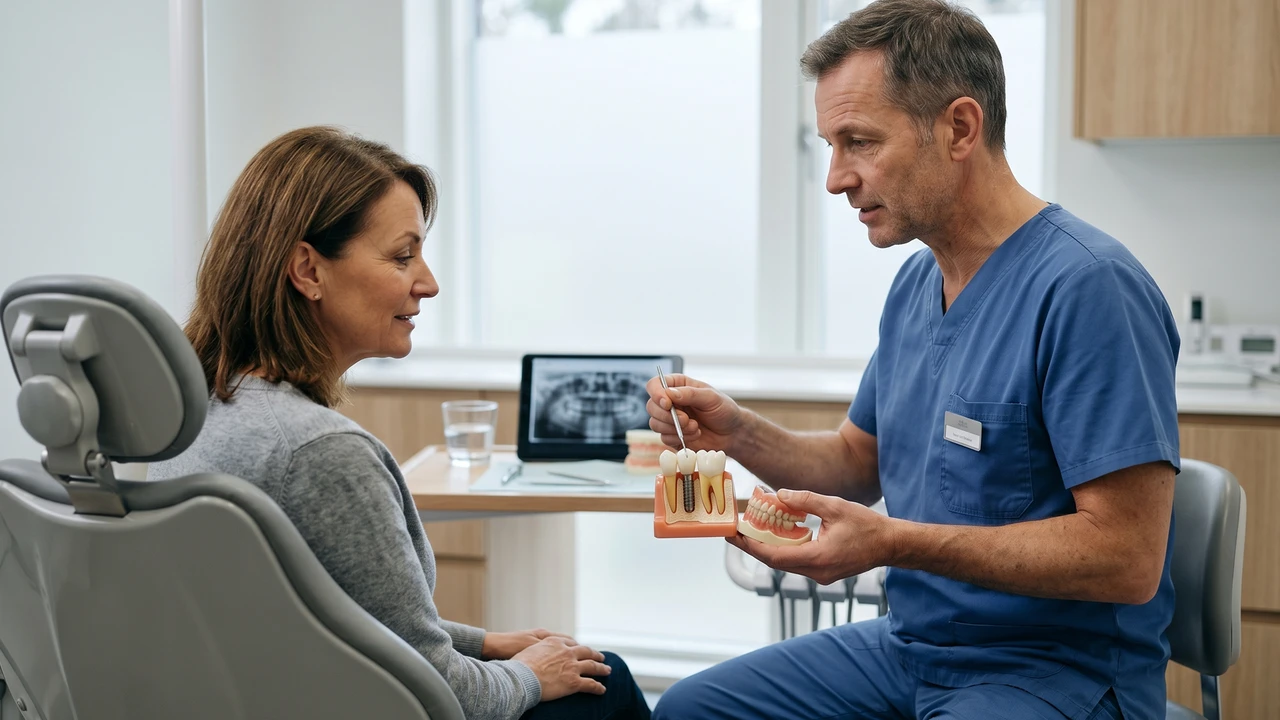
When it comes to replacing your teeth, we understand what it feels like. We know that choosing the best option for your oral health can seem overwhelming. At Ultra Dental Turkey, we’ve assisted multiple patients in navigating this decision and are here to guide you through the differences between dental implants and removable dentures.
Each option comes with its own advantages, and we’re here to guarantee that you have the necessary information to make a well-informed decision that serves you best in the future.
Understanding Dental Implants and Removable Dentures
Before we compare, let’s take a close look at dental implants and removable dentures to understand each option better.
What are Dental Implants?
Dental implants are artificial tooth roots made of titanium posts that are surgically inserted into the jawbone. Osteointegration, the process by which the implant fuses with the bone, delivers a stable base for a crown, bridge, or even an entire set of teeth. Implants ensures a long-term replacement for lost teeth and are the closest thing to real teeth.
What are Removable Dentures?
In contrast, removable dentures are prosthetic devices made to replace lost teeth. Dentures can be put in and out of the mouth for cleaning and adjustments, unlike implants, which rest on the gum line. There are two primary forms of dentures: full dentures ( for people who have lost all of their teeth) and partial dentures (for people who are missing only some teeth).
Key Differences Explained Simply
Although restoring lost teeth is the same goal of both treatments, there are some important distinctions to take into account. Dental implants deliver long-term durability and bone preservation since they are attached into the jaw. Because they rely on glue or suction to stay in place, removable dentures are less durable and can be uncomfortable, despite being more economical and quicker to fit.

How Dental Implants Work
The potential of dental implants to resemble real teeth is well known. After being positioned, they gradually merge with the jawbone to form a solid foundation that improves your general dental health. Also, this integration maintains your jaw's bone structure, which can degrade when teeth are lost.
Long-term Stability of Implants
One of the greatest advantages of dental implants is their ability to remain fixed in place. This stability means there is no shifting or discomfort while eating, speaking, or laughing. Implants look and function like natural teeth, allowing you to go about your daily activities with your dental restoration in check.
Removable Dentures Explained
Removable dentures have certain drawbacks even when they introduce a non-surgical option. Dentures are a type of prosthetic tooth consisting of a mixture of metal and acrylic, so they are simply easier to place initially.
Types of Removable Dentures
There are full dentures, which replace all of the teeth in one arch, and partial dentures, which fill in the gaps left by missing teeth while still retaining some of the natural teeth. To make sure they continue to fit correctly, both kinds need to be adjusted frequently.
Fitting and Maintenance
One of the greatest appeals of dentures is the ability to remove them for cleaning. However, this means that denture wearers often need to deal with the inconvenience of using adhesives to keep the dentures in place and the need for ongoing adjustments. Over time, dentures may begin to feel less comfortable as the jawbone shrinks, leading to fit issues.
Head-to-Head Comparison
Now, let’s compare dental implants and removable dentures in several key areas to support you in determining which option might be right for you.
| Feature | Dental Implants | Removable Dentures |
|---|---|---|
| Comfort | Gives high comfort, fixed support | Can shift, causing discomfort |
| Stability | Anchored to the jawbone | Relies on suction/adhesive |
| Bone Health | Stimulates bone growth | Less support for bone health |
| Durability | Can last 20+ years with proper care | Needs adjustment every few years |
| Cost | Higher initial investment | More affordable initially |
Cost Considerations
When it comes to cost, dental implants generally come with a higher upfront price tag compared to removable dentures. However, dental implants Turkey are a long-term investment. They typically last 20 years or more and they preserve the bone structure. Any further oral health complications may require additional treatments.
Removable dentures are more budget-friendly in the short term and can incur ongoing maintenance implant costs in Turkey and discomfort over time. As your jawbone changes shape, your dentures may require adjustment or replacement, further increasing the long-term cost.
Turkey vs. UK: A Cost Comparison
In Turkey, dental implants are delivered at significantly lower rates compared to the UK, and with outstanding quality. Our clinic, Ultra Dental Turkey, is well known for delivering excellence at an affordable price, ensuring you receive world-class care while saving on treatment costs.
Choosing What's Right for You
When deciding between dental implants and removable dentures, there are several factors to consider. These include your oral health, lifestyle, and budget. For a long-lasting, natural-looking solution and when you have the budget for it, dental implants might be the right choice. However, when you’re looking for a more budget-friendly and non-invasive option, removable dentures may be the right fit for you.
We strongly recommend a consultation at Ultra Dental Turkey to guide your decision. Our team will assess your individual needs and suggest the most appropriate solution tailored specifically for you.
Aftercare and Ongoing Support
Both dental implants and removable dentures require proper aftercare to ensure the best results. For implants, maintaining good oral hygiene and regular check-ups is essential for their longevity. Removable dentures require regular cleaning and adjustment, and it’s important to follow your dentist’s guidance to ensure comfort and fit.
At Ultra Dental Turkey, we create long-lasting relationships with our patients by delivering continuous guidance and ensuring that your treatment remains effective.