
At Ultra Dental Turkey, we use composite bonding in Turkey to refine chips, gaps, worn edges, and uneven tooth shapes. We shape tooth-coloured resin directly on the tooth and polish it for a natural finish.
Bonding can create a clear change in one visit. Let’s look at cost, lifespan, repairs, and when veneers may create a stronger long-term result.
What Is Composite Bonding?
Composite bonding is a direct cosmetic treatment. We apply resin, sculpt it, cure it with light, and refine the surface.
The phrase composite teeth bonding covers several treatment styles in Turkey. Edge bonding changes the biting edge. Composite veneers Turkey cover most of the visible front surface with resin.
We choose the technique after checking your enamel, gums, bite, and smile goals.
Composite Bonding in Turkey Cost in 2026
A composite bonding Turkey cost estimate often ranges from £80 to £260 per tooth. UK private prices often sit between £200 and £500 per tooth. The final amount depends on the size of the change and the number of teeth.
A small edge repair can cost less than a full-surface composite veneer. Old resin and added dental care can affect the plan.
The composite bonding cost UK vs Turkey gap comes from lower operating costs, currency value, and high cosmetic dentistry volumes. A full budget should include flights, hotel stays, local travel, and future care.
At Ultra Dental Turkey, we create a plan after a clinical review. This keeps the quote linked to your teeth.
Who Is a Good Match for Bonding?
Bonding often suits healthy teeth with mild gaps, short edges, tiny fractures, and local colour changes.
Strong enamel, healthy gums, and a balanced bite create a better base. Grinding may call for extra planning.
Some smiles gain more from whitening, orthodontics, veneers, or crowns. We guide each person toward the right path.
What Happens During Treatment?
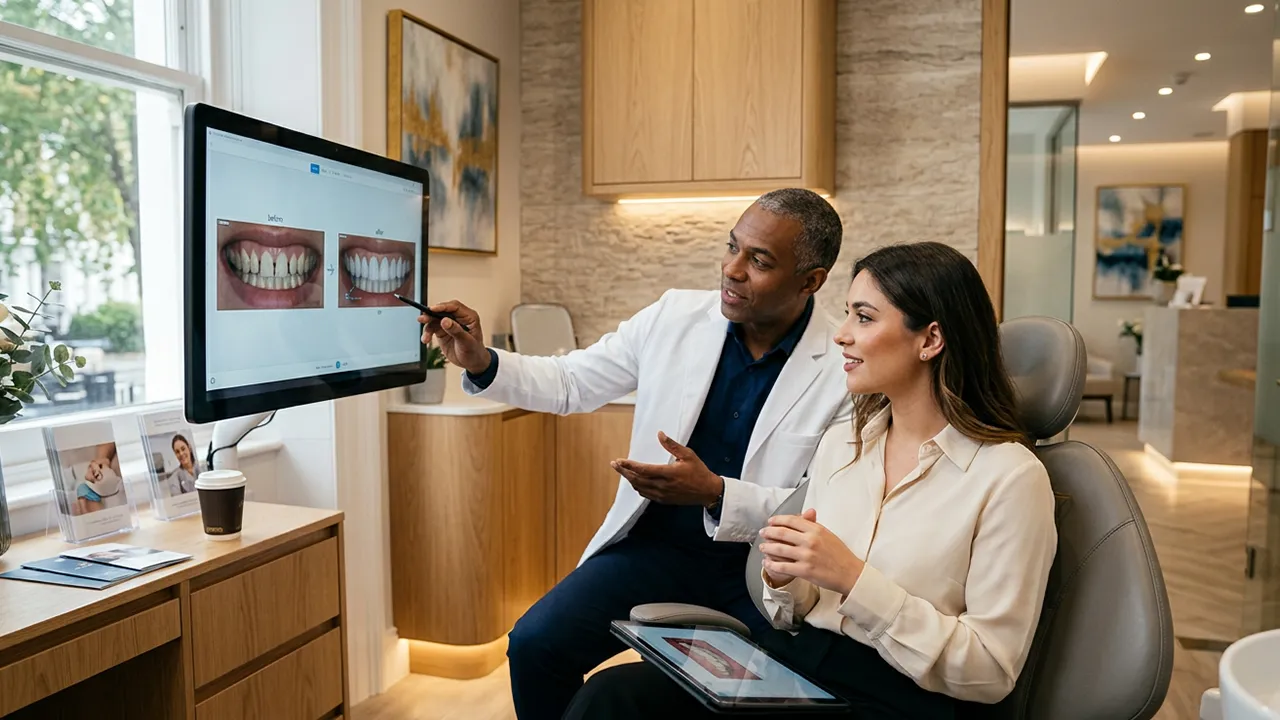
We begin with a smile assessment. We review your photos, bite, and tooth condition.
Next, we select a resin shade. Whitening usually comes first when a lighter smile is part of the goal. Cured resin keeps its selected shade.
We clean and condition the tooth surface. Many additive cases need very little enamel shaping. We then place resin in layers to control colour, length, and form.
A curing light hardens the material. We check the bite, refine the edges, and polish the surface.
Our composite bonding Antalya appointments often fit into one clinical visit. A review before your flight home gives time for fine changes.
How Long Does Composite Bonding Last?
The question how long does composite bonding last has no single figure for every smile. Many cases last four to seven years before major refreshing or replacement. Some last longer with strong daily care and a gentle bite.
A tiny edge repair faces different pressure from a wide composite veneer. Grinding, nail biting, ice chewing, and hard foods can shorten the lifespan.
Coffee, tea, red wine, and smoking can affect shine and colour. Regular cleaning and polishing can keep the surface fresh.
Good composite bonding maintenance includes daily brushing, interdental cleaning, routine reviews, and a night guard when clenching is present.
Can Composite Bonding Be Repaired?
Yes. Composite bonding repair is one of the key strengths of resin treatment. A local chip can often receive a small addition of fresh material.
Surface stains may improve through polishing. Rough edges may need light reshaping. A larger fracture may need partial replacement.
We first check why the damage happened. Treating the cause supports a stronger repair.
A full replacement may suit broad staining, repeated fractures, major shape changes, or decay around the resin.
Composite Bonding vs Veneers
The choice between composite bonding vs veneers depends on the scale of the change, enamel condition, and long-term goals.
Bonding usually costs less at the start and often needs little tooth shaping. Repairs are also more direct.
Porcelain has stronger stain resistance and keeps its shine for longer. Ceramic veneers often suit wider changes in colour, size, and symmetry.
The phrase porcelain veneers Turkey covers several ceramic types. E-max is a common choice for front teeth. The final choice depends on the bite and design.
When Veneers Make More Sense
Veneers may suit deep colour changes, broad shape changes, or repeated resin repairs. They also suit people who value a stable surface.
Research and clinical experience often place porcelain veneer lifespan around 10 to 15 years. The answer to how long do veneers last still depends on enamel, bite, hygiene, and daily habits.
The cost of veneers dental treatment is usually higher than bonding. That fee reflects lab work, ceramic design, and several clinical stages.
For wider smile changes, veneers in Turkey can create a balanced result. We still aim to preserve as much natural enamel as each case allows.
Planning Dental Care From the UK
A clear plan makes dental treatment in Turkey easier to manage. Ask for the treatment name, material, number of teeth, and review schedule.
Choose a Turkey dentist who explains each stage in plain language. Records, scans, consent forms, and aftercare details should stay easy to access.
A trusted dental clinic in Turkey should explain repair terms and future maintenance. This gives you a clear route after you return home.
Our dental clinic Antalya team coordinates assessment, treatment, polishing, and review in one location.
The phrase Turkey teeth can refer to bonding, veneers, or crowns. Each treatment changes the tooth in a different way.
Why Choose Ultra Dental Turkey?
Ultra Dental Turkey has worked in Antalya since 1999. We combine over 25 years of experience with digital planning and an in-house dental laboratory.
Our goal is to create a natural smile that suits your face, bite, and tooth health.
Finding the best dental clinic in Antalya should centre on skill, clear planning, hygiene, and aftercare. A low headline price tells only part of the story.
Our approach to dental bonding Turkey focuses on careful layering, bite checks, and detailed polishing. We create a plan that fits the present and the years ahead.
This joined approach keeps design, material choice, and finishing aligned under one experienced clinical team from consultation onward.